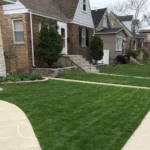
As a lifelong Chicagoan and lawn care consultant, I’ve seen my fair share of beautiful lawns thrive in our city’s unpredictable climate, but I’ve also witnessed the devastating effects of harsh winters and scorching summers on unsuspecting grass. If you’re like many homeowners in the Windy City, you’ve probably struggled to keep your lawn looking its best, wondering what secrets your neighbors might be using to achieve that perfect green. The truth is, lawn care in Chicago requires a unique blend of know-how, preparation, and flexibility, which is why I’ve put together this comprehensive guide to help you navigate the complexities of Chicago lawn care.
From preparing your lawn for the long, cold winters to choosing the right grass type for our region’s specific climate, there are many factors to consider when it comes to keeping your lawn healthy and thriving. And then there’s the age-old question: should you tackle lawn care on your own, or hire a professional to do the job? As someone who’s worked with countless homeowners in the Chicago area, I can tell you that the answer depends on a variety of factors, including your budget, lifestyle, and personal preferences. In the following pages, we’ll explore the pros and cons of DIY versus professional lawn care, as well as provide expert tips and tricks for achieving a lush, green lawn that’s the envy of the neighborhood.
Whether you’re a seasoned homeowner or a newcomer to the Chicago area, this guide is designed to provide you with the knowledge and expertise you need to create a beautiful, low-maintenance lawn that enhances your outdoor living space and boosts your home’s curb appeal. We’ll cover topics such as seasonal timing, common mistakes to avoid, and more, so you can make informed decisions about your lawn care and enjoy the benefits of a gorgeous, well-manicured lawn all year round.
Introduction to Chicago Lawn Care
As a lawn care consultant in the Chicago area, I’ve seen firsthand the impact that our unique climate can have on lawns. With cold winters, hot summers, and unpredictable spring and fall weather, Chicago lawns require special care to thrive. In this section, we’ll explore the basics of Chicago lawn care, including the importance of proper lawn maintenance and a brief history of lawn care in the area.
Chicago’s climate is classified as continental, with cold winters and warm summers. Our area is located in USDA Zone 5b, which means that our average annual extreme minimum temperature is between -10 and -15 degrees Fahrenheit. This can be challenging for lawns, as it requires them to be able to withstand cold temperatures and potentially icy conditions. In the summer, temperatures can soar, often reaching into the 90s in July and August. This can be equally challenging, as lawns need to be able to withstand heat and potential drought.
Despite these challenges, a well-maintained lawn can be a beautiful and valuable addition to any Chicago home. Not only can it increase curb appeal and property value, but it can also provide a safe and enjoyable outdoor space for families and pets. Proper lawn care is essential for maintaining a healthy and attractive lawn, and it requires a combination of regular maintenance, seasonal care, and occasional repair.
The Importance of Proper Lawn Care
Proper lawn care is important for several reasons. First, it helps to maintain the health and appearance of the lawn, which can increase property value and curb appeal. A well-maintained lawn can also help to prevent erosion and runoff, which can protect the environment and prevent damage to nearby waterways. Additionally, a healthy lawn can help to filter out pollutants and improve air quality, making it a valuable asset for both homeowners and the community.
In terms of specific benefits, proper lawn care can help to:
- Improve soil quality and structure, which can help to support healthy plant growth
- Reduce the need for fertilizers and pesticides, which can be harmful to the environment
- Prevent weeds and pests, which can damage the lawn and spread to nearby gardens and landscaping
- Enhance the overall appearance of the lawn, which can increase property value and curb appeal
At Greener Living Lawn Care, we offer a range of lawn care services designed to help homeowners maintain a healthy and attractive lawn. From regular mowing and maintenance to seasonal care and repair, we can help you keep your lawn looking its best.
A Brief History of Lawn Care in the Chicago Area
Lawn care has a long history in the Chicago area, dating back to the early 20th century. During this time, lawns were often seen as a status symbol, with wealthy homeowners competing to have the most beautiful and well-manicured lawn. As the suburbs developed and more people moved out of the city, lawn care became an important part of suburban life, with homeowners taking pride in their lawns and competing with their neighbors to have the best-looking yard.
Over time, lawn care has evolved to become more environmentally friendly and sustainable. Today, many homeowners are looking for ways to reduce their environmental impact, whether by using organic fertilizers and pesticides, installing rain gardens and other water-saving features, or simply by reducing the amount of water and chemicals they use on their lawn. At Greener Living Lawn Care, we’re committed to helping homeowners maintain a healthy and attractive lawn while also protecting the environment.
As we move forward in this guide, we’ll explore the specifics of lawn care in the Chicago area, including the best types of grass to plant, how to maintain a healthy lawn, and how to deal with common pests and problems. We’ll also discuss the importance of aeration and overseeding, as well as other seasonal care and repair techniques. Whether you’re a seasoned homeowner or just starting out, we hope you’ll find this guide to be a valuable resource for maintaining a beautiful and healthy lawn.
If you’re looking for more information on lawn care or would like to schedule a free estimate for your lawn, please don’t hesitate to contact us. We’re always happy to help and look forward to working with you to maintain a healthy and attractive lawn.
How to Prepare Your Lawn for Winter
As the summer months come to a close, many Chicago homeowners breathe a sigh of relief, thinking that their lawn care duties are over for the year. However, preparing your lawn for winter is a crucial step in maintaining its health and ensuring it comes back strong in the spring. In this section, we’ll cover the essential techniques for winter preparation, including aeration and dethatching, fertilization and soil conditioning, and mowing and pruning strategies.
Aeration and Dethatching: The Key to a Healthy Lawn
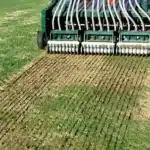
Aeration and dethatching are two often-overlooked but vital processes in lawn care. Aeration involves removing small plugs of soil to improve airflow, reduce soil compaction, and promote healthy drainage. Dethatching, on the other hand, removes the layer of dead grass and debris that can accumulate on your lawn, known as thatch. In Chicago’s cool-season grasses, thatch can be a significant problem, as it can harbor diseases and insects that can damage your lawn. By aerating and dethatching your lawn in the fall, you can help prevent these issues and ensure your lawn is well-equipped to handle the harsh winter months.
There are several aeration and dethatching techniques to choose from, including manual raking, power raking, and core aeration. Manual raking is a simple and cost-effective method, but it can be time-consuming and may not be effective for larger lawns. Power raking, on the other hand, is a more efficient method that uses a machine to remove thatch and aerate the soil. Core aeration is a more intensive process that involves removing small plugs of soil to improve airflow and reduce soil compaction. This method is often more expensive than power raking, but it can be highly effective in improving soil health and reducing thatch buildup.
At Greener Living Lawn Care, we recommend aeration and overseeding as a comprehensive solution for lawn preparation. This process not only improves soil health and reduces thatch buildup but also introduces new grass species to fill in any bare spots and thicken your lawn. By combining aeration and overseeding, you can create a lush, resilient lawn that will withstand the challenges of winter and come back strong in the spring.
Fertilization and Soil Conditioning: The Foundation of a Healthy Lawn
Fertilization and soil conditioning are critical components of lawn care, and they play a vital role in preparing your lawn for winter. In the fall, it’s essential to apply a fertilizer that is high in phosphorus, as this will help promote root growth and prepare your lawn for the cold winter months. A balanced fertilizer with a ratio of 10-10-10 (nitrogen-phosphorus-potassium) is a good starting point, but you may need to adjust this ratio based on your soil type and the specific needs of your lawn.
In addition to fertilization, soil conditioning is also crucial for maintaining a healthy lawn. Soil conditioners can help improve soil structure, increase the water-holding capacity of the soil, and promote healthy microbial activity. In Chicago’s clay-heavy soils, soil conditioners can be particularly beneficial, as they can help reduce soil compaction and improve drainage. By applying a soil conditioner in the fall, you can help create a healthy, resilient soil ecosystem that will support your lawn throughout the winter months.
When it comes to fertilization and soil conditioning, it’s essential to choose the right products for your lawn. At Greener Living Lawn Care, we recommend using organic or slow-release fertilizers, as these can provide a steady supply of nutrients to your lawn without causing burn or over-fertilization. We also recommend using soil conditioners that are specifically designed for clay-heavy soils, as these can help improve soil structure and reduce compaction.
Mowing and Pruning Strategies for Winter
Mowing and pruning are critical components of lawn care, and they play a vital role in preparing your lawn for winter. In the fall, it’s essential to maintain your mower at a height of 2.5-3 inches, as this will help promote healthy growth and prevent weed invasion. You should also leave your grass clippings on the lawn, as these can provide a natural source of nutrients and help reduce the need for fertilization.
In addition to mowing, pruning is also an essential part of winter preparation. Deadheading flowers, trimming back perennials, and pruning shrubs and trees can help promote healthy growth and prevent damage from snow and ice. By pruning your plants in the fall, you can help create a clean, tidy landscape that will withstand the challenges of winter and come back strong in the spring.
When it comes to mowing and pruning, it’s essential to choose the right equipment for the job. At Greener Living Lawn Care, we recommend using a mower with a sharp blade, as this will help prevent tearing and ripping of the grass. We also recommend using pruning shears or loppers that are specifically designed for the type of plant you are pruning, as these can help prevent damage and promote healthy growth.
By following these mowing and pruning strategies, you can help create a healthy, resilient lawn that will withstand the challenges of winter and come back strong in the spring. And by combining these strategies with aeration, dethatching, fertilization, and soil conditioning, you can create a comprehensive lawn care plan that will support your lawn throughout the year. For more information on lawn care and to schedule a free estimate, contact Greener Living Lawn Care today.
In addition to these strategies, it’s also essential to consider other lawn care services, such as lawn care, pest control, and tree care. By combining these services with your winter preparation plan, you can create a comprehensive lawn care plan that will support your lawn throughout the year and help you achieve a beautiful, healthy landscape.
Choosing the Right Grass Type for Your Chicago Lawn
As a homeowner in the Chicago suburbs, you’re likely no stranger to the challenges of maintaining a lush, healthy lawn in our cool-season climate. With temperatures often dropping below 32°F in the winter and rising above 85°F in the summer, it’s essential to choose a grass type that can thrive in these conditions. In this section, we’ll explore the most common cool-season grasses found in Chicago lawns, compare their characteristics, and provide tips for selecting the best grass type for your specific lawn.
Cool-Season Grasses: An Overview
Cool-season grasses are the most common type of grass found in Chicago lawns, and for good reason. These grasses thrive in the cooler temperatures of spring and fall, making them ideal for our region. The three most common cool-season grasses are Kentucky bluegrass, perennial ryegrass, and fine fescue. Each of these grasses has its own unique characteristics, advantages, and disadvantages.
Kentucky bluegrass is known for its dark green color and fine texture, making it a popular choice for homeowners who want a lush, dense lawn. However, it requires more maintenance than other cool-season grasses, including regular watering, fertilization, and mowing. Perennial ryegrass, on the other hand, is a fast-growing grass that germinates quickly and can tolerate heavy foot traffic. It’s often used in mixtures with other grasses to add density and texture. Fine fescue is a low-maintenance grass that’s tolerant of shade, drought, and poor soil conditions, making it an excellent choice for lawns with challenging conditions.
Comparison of Grass Types and Their Characteristics
The following table summarizes the key characteristics of each cool-season grass type:
- Kentucky Bluegrass: dark green color, fine texture, high maintenance, moderate drought tolerance, moderate shade tolerance
- Perennial Ryegrass: light green color, medium texture, fast growth rate, high traffic tolerance, moderate drought tolerance, moderate shade tolerance
- Fine Fescue: light green color, fine texture, low maintenance, high drought tolerance, high shade tolerance
When comparing these grass types, it’s essential to consider factors such as sunlight, soil type, and intended use. For example, if you have a lawn that receives full sun and heavy foot traffic, perennial ryegrass may be a good choice. On the other hand, if you have a lawn with dense shade and poor soil conditions, fine fescue may be a better option.
Tips for Selecting the Best Grass Type for Your Lawn
So, how do you choose the best grass type for your Chicago lawn? Here are a few tips to keep in mind:
- Assess your lawn’s conditions: Consider the amount of sunlight your lawn receives, the type of soil you have, and the intended use of your lawn. This will help you narrow down your options and choose a grass type that’s well-suited to your lawn’s conditions.
- Consider your maintenance schedule: If you have a busy schedule and don’t have a lot of time to devote to lawn maintenance, a low-maintenance grass like fine fescue may be a good choice. On the other hand, if you enjoy spending time outdoors and don’t mind regular maintenance, Kentucky bluegrass may be a better option.
- Think about your budget: Different grass types have varying costs associated with them. For example, Kentucky bluegrass can be more expensive to establish and maintain than fine fescue. Consider your budget and choose a grass type that fits within it.
- Consult with a professional: If you’re still unsure about which grass type to choose, consider consulting with a lawn care professional. They can assess your lawn’s conditions and provide personalized recommendations for the best grass type for your lawn. You can also visit our website to learn more about our lawn care services and schedule a free estimate to get started.
By following these tips and considering the unique characteristics of each cool-season grass type, you can choose the best grass for your Chicago lawn and enjoy a lush, healthy lawn all season long. Additionally, don’t forget to consider other lawn care services such as pest control, tree care, and mosquito control to keep your lawn looking its best. And, if you’re dealing with grub damage, consider our grub control services or aeration and overseeding to restore your lawn’s health.
Lawn Care Comparison: DIY vs. Professional Services
As a homeowner in the Chicago suburbs, you’re likely no stranger to the challenges of maintaining a healthy, lush lawn in USDA Zone 5b’s cool-season climate. With clay-heavy soils and unpredictable weather patterns, it can be tough to decide whether to tackle lawn care on your own or hire a professional service. In this section, we’ll break down the cost-benefit analysis of DIY lawn care versus hiring a pro, and provide a comparison table of common lawn care services and their prices.
Cost-Benefit Analysis: DIY vs. Professional Lawn Care
When considering DIY lawn care, it’s essential to factor in the cost of equipment, fertilizers, pesticides, and your time. According to the National Association of Landscape Professionals, the average homeowner spends around $300-$500 per year on DIY lawn care products and equipment. However, this number can quickly add up if you’re not familiar with the specific needs of your lawn. On the other hand, hiring a professional lawn care service can range from $500-$2,000 per year, depending on the frequency and type of services needed.
One key benefit of professional lawn care is the expertise and equipment that comes with it. A professional service can provide customized fertilization and pest control plans, as well as regular mowing, pruning, and aeration. This can lead to a healthier, more resilient lawn that requires less maintenance over time. Additionally, many professional services offer free estimates and flexible pricing plans to fit your budget.
Comparison Table: Lawn Care Services and Prices
The following table provides a comparison of common lawn care services and their prices in the Chicago area:
| Service | DIY Cost | Professional Cost |
|---|---|---|
| Fertilization (spring and fall) | $100-$200 | $200-$500 |
| Pest control (grubs, weeds, etc.) | $50-$100 | $100-$300 |
| Lawn mowing (weekly, May-October) | $0-$100 (equipment cost) | $500-$1,000 |
| Aeration and overseeding | $200-$500 (equipment rental) | $300-$700 |
| Tree and shrub care (pruning, fertilization) | $100-$300 | $200-$500 |
As you can see, the cost of DIY lawn care can add up quickly, especially if you’re not familiar with the specific needs of your lawn. Hiring a professional service can provide peace of mind and a customized plan to keep your lawn healthy and thriving.
Factors to Consider: DIY vs. Professional Lawn Care
When deciding between DIY and professional lawn care, there are several factors to consider. These include:
- Time commitment: Do you have the time and energy to devote to regular lawn maintenance, or would you rather hire a professional to handle it for you?
- Equipment and product costs: Are you willing and able to invest in the necessary equipment and products to keep your lawn healthy, or would you rather pay a professional to handle it?
- Expertise and knowledge: Do you have the knowledge and expertise to diagnose and treat common lawn problems, or would you rather hire a professional with experience and training?
- Budget: What is your budget for lawn care, and which option fits within it?
- Customization: Do you want a customized lawn care plan that takes into account the specific needs of your lawn, or are you willing to follow a generic DIY plan?
In addition to these factors, it’s also important to consider the potential risks and consequences of DIY lawn care. For example, over-fertilization or improper pest control can damage your lawn and the environment. A professional service can provide the expertise and equipment to avoid these risks and ensure a healthy, thriving lawn.
At Greener Living Lawn Care, we offer a range of lawn care services to fit your needs and budget. From fertilization and pest control to aeration and overseeding, we can help you achieve a lush, healthy lawn that enhances your outdoor living space. We also offer pest control, tree care, and mosquito control services to protect your lawn and family from common pests. Contact us today to schedule a free estimate and take the first step towards a greener, healthier lawn.
Pro Tips for a Lush, Green Lawn
As a seasoned lawn care professional in the Chicago suburbs, I’ve seen my fair share of lawns that thrive and those that struggle. In this section, I’ll share expert advice on lawn mowing and edging, effective watering and irrigation, and strategies for controlling weeds and pests. By following these pro tips, you’ll be well on your way to achieving a lush, green lawn that’s the envy of the neighborhood.
Lawn Mowing and Edging: The Basics
Mowing and edging are two of the most critical aspects of lawn care. In Chicago’s USDA Zone 5b, it’s essential to maintain your lawn at a height of 2.5 to 3 inches during the growing season. This allows the grass to grow deep roots, making it more resistant to drought and disease. When mowing, use a sharp blade and never remove more than one-third of the grass blade in a single cut. This will help prevent shock to the grass and reduce the risk of disease.
Edging is also crucial, as it helps create a clean, defined border between your lawn and gardens or hardscapes. Use a string trimmer or edger to create a precise edge, and consider using a lawn mower with a built-in edging feature to make the process easier. For a more polished look, consider hiring a professional lawn care service, such as our team at Greener Living Lawn Care, to handle your lawn care needs.
Watering and Irrigation: Conserving Water While Keeping Your Lawn Healthy
Watering is a delicate balance in Chicago’s cool-season climate. During the hot summer months, lawns need about 1 to 2 inches of water per week, either from rainfall or irrigation. However, overwatering can lead to shallow roots, disease, and pest issues. To avoid this, consider installing a rain sensor or smart irrigation controller, which can help you conserve water and reduce waste.
Aim to water your lawn deeply but infrequently, encouraging deep root growth and making it more resistant to drought. For example, instead of watering your lawn for 15 minutes every day, water it for 30 minutes every other day. This will help reduce evaporation and runoff, ensuring that your lawn gets the water it needs. If you’re unsure about the best irrigation strategy for your lawn, consider consulting with a professional lawn care service or requesting a free estimate from our team.
Controlling Weeds and Pests: Strategies for a Healthy Lawn
Weeds and pests can quickly take over a lawn if left unchecked. In Chicago, common weeds like dandelions, clover, and plantain can be controlled through a combination of cultural practices, such as proper mowing and watering, and targeted herbicides. For example, applying a pre-emergent herbicide in early spring can help prevent crabgrass and other annual weeds from germinating.
Pests like white grubs, chinch bugs, and billbugs can also cause significant damage to lawns. To control these pests, consider using a combination of cultural practices, such as maintaining a healthy lawn through proper mowing, watering, and fertilization, and targeted insecticides. For example, applying a grub control treatment in late summer can help prevent white grub damage in the fall. If you’re experiencing persistent pest issues, consider consulting with a professional lawn care service, such as our team at Greener Living Lawn Care, to develop a customized pest control plan.
In addition to these strategies, consider incorporating other lawn care services, such as aeration and overseeding, to improve the overall health and appearance of your lawn. By following these pro tips and incorporating these services into your lawn care routine, you’ll be well on your way to achieving a lush, green lawn that’s the envy of the neighborhood.
Remember, a healthy lawn is not just a matter of aesthetics; it also plays a critical role in maintaining your property value and preventing erosion. By investing in your lawn and following these expert tips, you’ll be protecting your investment and creating a beautiful outdoor space that you can enjoy for years to come. Whether you’re looking for lawn care services, pest control services, or tree care services, our team at Greener Living Lawn Care is here to help you achieve your outdoor goals.
Seasonal Timing for Chicago Lawn Care
As a homeowner in the Chicago area, it’s essential to understand the importance of seasonal timing when it comes to lawn care. With our cool-season grasses and clay-heavy soils, the timing of various lawn care tasks can make all the difference in maintaining a healthy and lush lawn. In this section, we’ll break down the key tasks and timelines for winter, spring, summer, and fall lawn care in Chicago.
Winter Lawn Care Tasks and Timelines
While it may seem like there’s not much to do in the winter, there are still some essential tasks to tackle during the colder months. From late November to early March, Chicago experiences its coldest temperatures, with average highs ranging from 34°F to 45°F. During this time, it’s crucial to:
- Apply a winterizer fertilizer to promote root growth and prepare your lawn for the upcoming growing season. This should be done around late October to early November, before the first frost.
- Protect your lawn from snow mold by applying a fungicide in late fall, around late November to early December.
- Keep an eye out for animal damage, such as rabbit or deer feeding on your lawn, and take measures to prevent it, such as installing fencing or using repellents.
It’s also a good idea to take this time to plan and budget for the upcoming lawn care season. Consider scheduling a free estimate with a professional lawn care service to discuss your options and create a customized plan for your lawn.
Spring and Summer Lawn Care Schedules
As the weather warms up in spring, it’s time to start thinking about lawn care tasks that will help your lawn thrive. From late March to early May, focus on:
- Applying a pre-emergent herbicide to prevent crabgrass and other weeds from germinating. This should be done around late March to early April, when the soil temperature reaches around 55°F.
- Fertilizing your lawn with a balanced fertilizer to promote healthy growth. This can be done in early April, when the grass is actively growing.
- Starting your regular mowing and edging schedule, aiming to maintain a height of 2.5-3 inches for most cool-season grasses.
During the summer months, from June to August, it’s essential to:
- Maintain a regular watering schedule, aiming to provide about 1-2 inches of water per week, either from rainfall or irrigation.
- Monitor your lawn for pests, such as grubs, chinch bugs, and billbugs, and take action if necessary. Consider scheduling a grub control treatment in late June or early July.
- Consider applying a summer fertilizer to promote healthy growth and color. This can be done in late June or early July, when the grass is actively growing.
Don’t forget to also consider mosquito control measures, such as eliminating standing water and using mosquito repellents, to keep your outdoor living space comfortable and enjoyable.
Fall Lawn Care Preparation and Planning
As the weather cools down in fall, it’s time to start preparing your lawn for the upcoming winter. From late August to early November, focus on:
- Aerating your lawn to improve drainage, reduce soil compaction, and promote healthy root growth. This can be done in late August or early September, when the grass is still actively growing. Consider scheduling an aeration and overseeding service to help fill in any bare spots and promote a lush, dense lawn.
- Overseeding any bare or thin areas of your lawn to promote new growth and fill in any gaps.
- Applying a fall fertilizer to promote root growth and prepare your lawn for the upcoming winter. This should be done around late September to early October, when the grass is still actively growing.
It’s also a good idea to take this time to assess your lawn’s overall health and plan for any necessary repairs or renovations. Consider scheduling a free estimate with a professional lawn care service to discuss your options and create a customized plan for your lawn. Additionally, don’t forget to consider pest control measures, such as treating for rodents or other pests, to protect your lawn and outdoor living space from damage.
By following these seasonal timing guidelines and taking proactive steps to care for your lawn, you can help ensure a healthy, lush, and beautiful lawn that will thrive in Chicago’s unique climate. Remember to also consider tree care and lawn care services to keep your entire outdoor space looking its best.
Common Lawn Care Mistakes to Avoid
As a seasoned lawn care consultant in the Chicago area, I’ve seen my fair share of lawn care mistakes that can lead to unhealthy, unsightly lawns. In this section, we’ll cover some of the most common mistakes homeowners make when it comes to lawn care, and provide you with actionable advice on how to avoid them. By being mindful of these potential pitfalls, you can keep your lawn looking its best and avoid costly repairs down the line.
Overwatering and Underwatering Mistakes
One of the most critical aspects of lawn care is watering. Overwatering can lead to shallow root growth, making your lawn more susceptible to disease and pests. On the other hand, underwatering can cause your lawn to become drought-stressed, leading to brown patches and weeds. In Chicago’s cool-season climate, it’s essential to water your lawn deeply but infrequently to encourage deep root growth. Aim to provide about 1-2 inches of water per week, either from rainfall or irrigation. A good rule of thumb is to water your lawn when the top 2-3 inches of soil feel dry to the touch.
Avoid watering your lawn during the hottest part of the day (usually between 11am and 3pm) to minimize evaporation. Instead, water your lawn early in the morning or evening to reduce waste and ensure the water has a chance to soak into the soil. If you’re unsure about your lawn’s watering needs, consider investing in a lawn care service that includes customized irrigation plans.
Mowing and Pruning Errors
Mowing and pruning are essential lawn care tasks, but if not done correctly, they can cause more harm than good. One common mistake is mowing your lawn too short. This can stress your lawn, making it more vulnerable to disease and pests. In Chicago’s cool-season climate, it’s recommended to maintain your lawn at a height of 2.5-3 inches to promote healthy growth.
Another mistake is using dull mower blades, which can tear the grass instead of cutting it cleanly. This can lead to brown tips and make your lawn more susceptible to disease. Make sure to sharpen your mower blades regularly, and consider investing in a high-quality mower that can handle the demands of your lawn.
Pruning is also an essential task, but if not done correctly, it can cause damage to your plants. Make sure to prune your plants at the right time of year (usually in late winter or early spring), and use clean, sharp tools to avoid spreading disease. If you’re unsure about pruning, consider hiring a professional tree care service to do the job for you.
Fertilization and Soil Conditioning Mistakes
Fertilization and soil conditioning are critical components of lawn care, but if not done correctly, they can cause more harm than good. One common mistake is overfertilizing, which can lead to an overabundance of nutrients in the soil. This can cause your lawn to grow too quickly, leading to an increased risk of disease and pests.
Another mistake is using the wrong type of fertilizer for your lawn. In Chicago’s cool-season climate, it’s recommended to use a fertilizer that is high in phosphorus (P) and potassium (K), as these nutrients promote healthy root growth and disease resistance. Avoid using fertilizers that are high in nitrogen (N), as these can promote excessive top growth and make your lawn more susceptible to disease.
Soil conditioning is also an essential task, as it helps to improve the structure and fertility of your soil. One common mistake is not aerating your lawn regularly, which can lead to soil compaction and poor drainage. Consider investing in an aeration and overseeding service to improve the health and appearance of your lawn.
By avoiding these common lawn care mistakes, you can keep your lawn looking its best and avoid costly repairs down the line. Remember to always follow best practices for lawn care, and consider hiring a professional lawn care service if you’re unsure about any aspect of lawn care. With the right care and attention, your lawn can thrive in Chicago’s cool-season climate.
In addition to these tips, it’s also essential to be mindful of potential pest and disease issues that can affect your lawn. Consider investing in pest control services or mosquito control services to protect your lawn and your family from these potential threats. And, if you have a grub problem, don’t forget to consider grub control services to prevent damage to your lawn.
Frequently Asked Questions About The Complete Guide To Lawn Care In Chicago — Everything Homeowners Need To Know
What is the best type of grass for my Chicago lawn?
In Chicago, located in USDA Zone 5b, the best types of grass for lawns are cool-season grasses, such as Kentucky bluegrass, perennial ryegrass, and tall fescue. These grasses thrive in the cooler temperatures of spring and fall, and can tolerate the hot summers. For example, Kentucky bluegrass is a popular choice, but it may require more maintenance, including regular watering and fertilization. Consider factors like sunlight, soil type, and intended use when selecting the best grass for your lawn.
How often should I mow my lawn in the winter?
In Chicago, lawns typically go dormant during the winter months, from December to February. During this time, mowing is not necessary, as the grass is not actively growing. However, if you notice any dead or damaged blades, you may want to mow your lawn once in late winter, around late February or early March, to remove debris and prepare for the upcoming growing season. Set your mower to a height of 2-3 inches to promote healthy growth.
What are the most common lawn care mistakes to avoid?
Common lawn care mistakes in Chicago include overwatering, which can lead to shallow root growth and disease, and underfertilizing, which can result in weak and sparse grass. Additionally, mowing too short can stress the grass, making it more susceptible to pests and diseases. It’s also important to avoid overusing pesticides and herbicides, which can harm beneficial insects and the environment. Instead, adopt a balanced approach to lawn care, including regular mowing, watering, and fertilization, as well as integrated pest management techniques.
How can I control weeds and pests in my lawn?
In Chicago, common lawn weeds include dandelions, clover, and crabgrass. To control weeds, use a combination of cultural practices, such as proper mowing and watering, and targeted herbicides. For pests, like white grubs and chinch bugs, use integrated pest management techniques, including introducing beneficial insects, like nematodes, and applying insecticides as needed. Consider applying a pre-emergent herbicide in early spring, around late March or early April, to prevent crabgrass and other annual weeds from germinating.
What is the difference between aeration and dethatching?
Aeration and dethatching are two separate lawn care practices that serve different purposes. Aeration involves removing small plugs of soil to improve drainage, reduce soil compaction, and promote healthy root growth. Dethatching, on the other hand, involves removing dead grass and debris, known as thatch, from the lawn surface. In Chicago, it’s recommended to aerate your lawn in the fall, around September or October, and dethatch in the spring, around April or May, to minimize disruption to the lawn.
How can I improve the soil quality of my lawn?
To improve soil quality in your Chicago lawn, start by testing your soil to determine its pH level and nutrient content. Based on the results, add organic matter, such as compost or well-rotted manure, to improve soil structure and fertility. You can also apply fertilizers, like a balanced 10-10-10 NPK formula, in the spring and fall. Additionally, consider incorporating cover crops, like winter rye or clover, into your lawn care routine to add nutrients and improve soil health.
What are the benefits of hiring a professional lawn care service?
Hiring a professional lawn care service in Chicago can provide numerous benefits, including saving time and effort, as well as ensuring proper techniques and materials are used. Professional lawn care services can also help identify and address potential issues, like pest and disease problems, before they become major concerns. Additionally, many professional services offer customized lawn care programs, tailored to your specific lawn type and needs, which can result in a healthier, more attractive lawn. Look for services that use eco-friendly practices and integrated pest management techniques.
How can I prepare my lawn for the upcoming spring season?
To prepare your Chicago lawn for the spring season, start by removing debris, like dead leaves and branches, in late winter, around late February or early March. Next, apply a pre-emergent herbicide to prevent crabgrass and other annual weeds from germinating. You can also fertilize your lawn with a balanced fertilizer, like a 10-10-10 NPK formula, to promote healthy growth. Finally, consider aerating your lawn in the spring, around April or May, to improve drainage and reduce soil compaction. This will help your lawn recover from the winter and thrive during the growing season.
Key Takeaways
As a homeowner in Chicago, taking care of your lawn can seem like a daunting task, but with the right knowledge and strategies, you can achieve a lush and vibrant outdoor space. By understanding the unique challenges of Chicago’s climate and soil conditions, you can make informed decisions about lawn care and maintenance.
- Proper mowing, watering, and fertilization techniques are essential for a healthy lawn
- Regular maintenance, including aeration and dethatching, can help prevent common lawn problems
- Choosing the right grass type and plants for your specific climate and soil conditions can save time and money in the long run
- Considering the cost-benefit of DIY vs professional lawn care services can help you make the best decision for your budget and lifestyle
If you’re looking for personalized guidance on lawn care in Chicago, consider reaching out to a trusted local expert. At Greener Living Lawn Care, we’re dedicated to helping homeowners like you achieve their outdoor goals. For a free estimate, visit our website or give us a call at 224-415-3698 to discuss your unique needs and create a customized plan for your lawn.